

Many materials cannot be processed with conventional grinding methods – due to severe wear risks, temperature sensitivity, or small batch sizes. Our technology delivers customized solutions: robust, precise, and cost-effective.
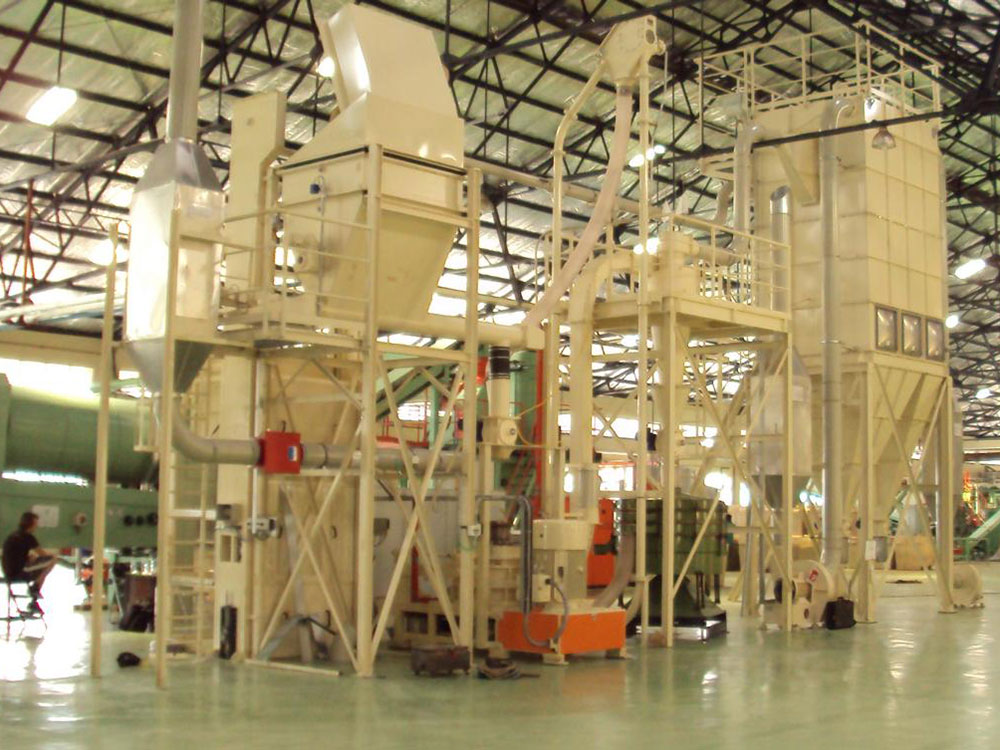
Graf delivers robust grinding systems for the efficient processing of by-products from the tobacco industry, such as coarse leaves and stems. Fine grinding of these materials is an essential prerequisite for manufacturing HTL (Homogenized Tobacco Leaf).
Because tobacco residues frequently contain abrasive components such as sand and quartz, Graf systems are systematically engineered for extended service life. A heavily wear-protected design ensures reliable operation even under demanding conditions:
– Grinding tools made of highly wear-resistant investment casting
– Ceramic lining in high-wear mill sections
– Piping with replaceable wear plates
The result: maximum plant availability with minimal maintenance effort.
Citric Acid
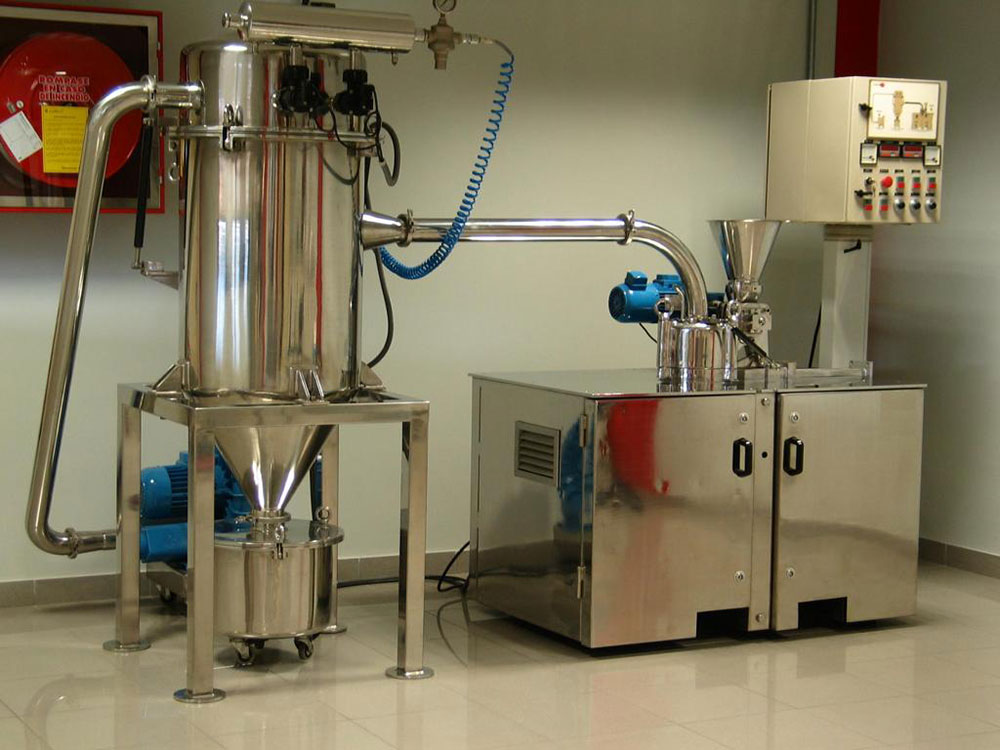
The stainless steel MS air classifier mill is utilized for the fine grinding of crystalline fruit acids and comparable products. It guarantees gentle, hygienic, and reproducible milling.
The result: high product quality, dependable operation, and maximum process reliability.
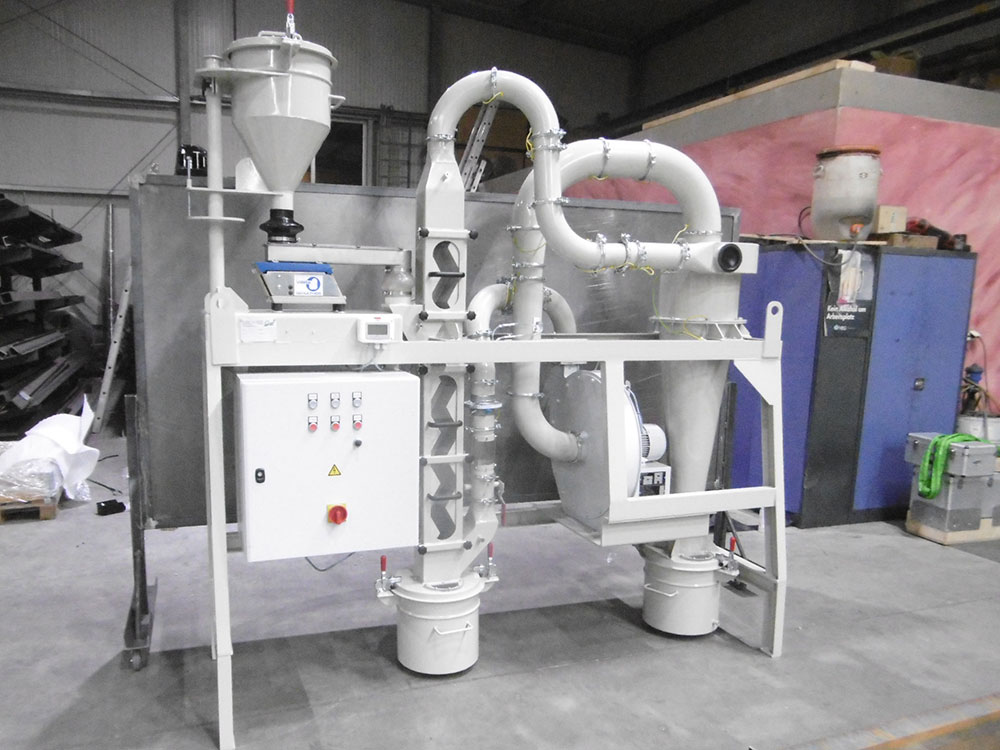
The MFG opposed jet mill is employed for the micronization of temperature-sensitive waxes. Thanks to its fluid-energy grinding principle, size reduction occurs with virtually no product heating, ensuring exceptionally gentle processing.
Depending on the material’s thermal sensitivity and the required final fineness, the MS air classifier mill or the UTM whirl mill can also be used as alternatives.
Through targeted testing at the Graf technical center, the optimal size reduction concept is custom-tailored to your material.
The result: superior product quality, reproducible particle fineness, and maximum process reliability.
The MFG opposed jet mill is utilized for the micronization of temperature-sensitive waxes. Due to the fluid-energy grinding principle of the jet mill, size reduction occurs with virtually no product heating, making it exceptionally gentle on the product.
Depending on the thermal sensitivity of the material and the target fineness, the MS air classifier mill or the UTM whirl mill can also be implemented alternatively.
Through focused trials in the Graf test facility, the optimal size reduction concept is determined specifically for your material.
The result: stable processes, reproducible particle sizes, and outstanding product quality.
Depending on the application, either the UTM whirl mill or alternatively the MS air classifier mill is deployed.
For materials posing a dust explosion hazard, such as epoxy resin, our systems are naturally engineered with explosion protection and pressure shock resistance up to 10 bar gauge.
The result: maximum operational safety, standards-compliant design, and a dependable production process.
Single-shaft shredders as well as complete system solutions are deployed for RDF analysis in cement manufacturing. These encompass all process stages from sampling, size reduction, and homogenization through to the preparation of a representative laboratory sample.
The result: reproducible analytical results, standards-compliant sample preparation, and high process reliability in both laboratory and production environments.
Graf systems are engineered to process a broad range of materials with precision and reliability. To process demanding substances safely and cost-effectively, dedicated wear-optimized design features are integrated:
– High-wear-resistant grinding internals made of investment casting
– Ceramic linings to minimize wear and cross-contamination
– Replaceable wear plates in piping systems
As a result, even challenging material properties are handled efficiently, ensuring long-term process stability.
We would be pleased to evaluate your specific application and promptly provide feedback on whether we can deliver a suitable, professional solution.
The following checklists are available for a structured and efficient definition of your requirements:
